If your Illinois FOID card was denied or revoked because of a mental health hospitalization or a “clear and present danger” report from more than five years ago, you will need a mental health evaluation before the state will reconsider your case. I do these evaluations for PsycHelp, in person at our Naperville office or online.
Most people who call me are frustrated, a little nervous and not sure what they are walking into. That is completely understandable. This post explains who these evaluations are for, what we will actually talk about, and what happens after we are done, so there are no surprises.
Why people come to me
Under Illinois law, a mental health hospitalization or a clear and present danger designation can stop you from getting or keeping a FOID card. Once more than five years have passed, you can apply to the Illinois State Police (ISP) to have your firearm rights restored. To do that, you need an evaluation by an Illinois licensed physician, clinical psychologist or qualified examiner, who completes ISP’s Mental Health Certification form.
If your hospitalization or report was less than five years ago, your path runs through the FOID Card Review Board instead, and it requires a different forensic evaluation by a psychiatrist or clinical psychologist. I do not do those evaluations.
The people I see come from all walks of life. Some were hospitalized once, years ago, during a hard stretch they have long since moved past. Some had a voluntary admission and did not realize it would affect their FOID card. Many are hunters, sport shooters, or people who want to keep a firearm at home. Some need the card for work. What they share is that they want a fair, careful and independent look at where they are today.
How the evaluation works
- You call to schedule. We confirm that your situation falls under the more-than-five-years path. If you have a letter from ISP, have it handy.
- You gather your records. I review your records before we meet. That usually means the hospital or treatment records from your admission, plus records from any current counselor or prescriber. The state requires me to review this background, so missing records are the most common cause of delays.
- We meet. The interview is in person in Naperville or by secure video. Plan on a thorough conversation, not a quick check-in. I may also ask you to complete some standard questionnaires.
- I may talk with others. With your written permission, I may speak with your therapist, psychiatrist or another person who knows you well.
- I complete the paperwork. I finish the required state form based on what I find.
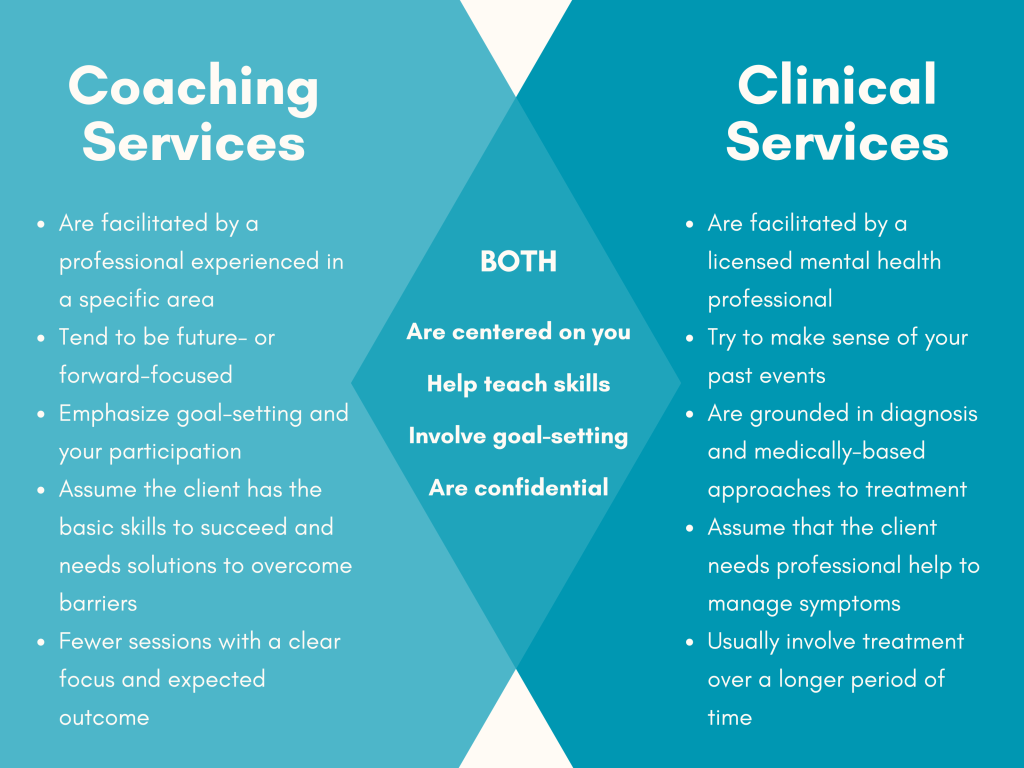
This evaluation is different from therapy. I am not your counselor, and what we discuss is not confidential in the usual way. The purpose is an objective assessment for the state, and you will know up front what goes into it.
What we will talk about
I ask a lot of questions, and some of them are personal. They are the same kinds of questions I ask everyone, and none of them is a trick. Expect to talk about:
- What happened. The events that led to your hospitalization or report, in your own words. What was going on in your life then, and what you think contributed.
- What has changed since. Treatment you received, what helped, and how you have been doing since.
- Your mental health today. Mood, sleep, stress, any current symptoms, and whether you are in counseling or taking medication.
- Safety. Any past or current thoughts of hurting yourself or someone else. I ask everyone directly, and honest answers serve you far better than polished ones.
- Alcohol and drugs. Past and current use, and whether it has ever caused problems.
- Anger and conflict. How you handle frustration, and any history of violence, threats or legal trouble.
- Your daily life. Work, family, relationships and the people you lean on.
- Firearms. Why you want your FOID card, your experience with firearms, and how you would store them safely.
The best thing you can do is be open. A past crisis does not automatically count against you. What matters most is an honest picture of how you are doing now.
After the evaluation
I send the form, not you. The state requires the evaluator to return the Mental Health Certification form directly to the Illinois State Police. You cannot submit it yourself. You still have your own paperwork to file, such as the Request for FOID Investigation, Relief and Reinstatement of Firearm Rights form and, if your card was revoked, the Firearm Disposition Record.
Then you wait. Once the form leaves my office, the timeline belongs to the state. ISP does not publish a standard processing time, and reviews can take a while. ISP contacts you directly with a decision or a request for more information. I am not able to check on your case or speed it up.
I do not decide whether you get a card. My role is to evaluate and report what I find, honestly and objectively. I do not advocate for or against your getting a FOID card, and I do not make that call. That decision belongs entirely to the Illinois State Police, which weighs my evaluation alongside everything else in your file.
Ready to get started?
If a hospitalization or report from more than five years ago is standing between you and your FOID card, I am happy to help you through the evaluation part of the process. To schedule, call PsycHelp or send us a message through our contact page. Evaluations are available at our Naperville office or online. You can also learn more on our FOID evaluations page.
This post is general information, not legal advice. FOID rules and forms change, so check the Illinois State Police website for the current requirements for your situation.